
Reviewed · LIMONCELLO TASTINGS
Amalfi: Vertical Lemon Farm Tour, Tastings, and Rural Museum
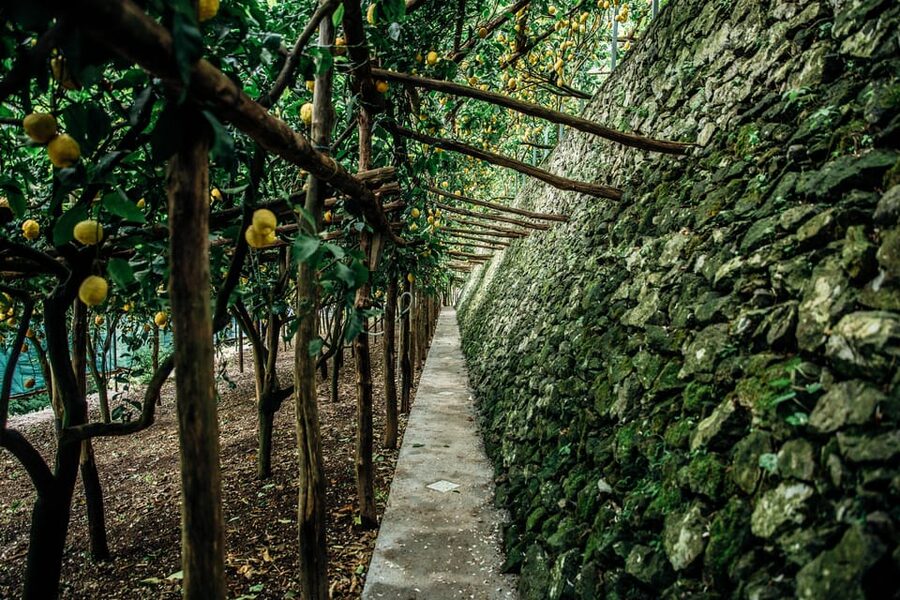
Amalfi’s lemon groves are built into the hills, not spread across a level field. This 90-minute walk takes you onto those steep terraces, where a family has grown Sfusato Amalfitano lemons for six generations. I like the close look at how the groves work, and the tasting makes the farm’s products more than a pretty souvenir idea.
I also like that the visit pairs the orchard with a small museum and a limoncello laboratory, so you get local history alongside the practical work of growing and processing lemons. One consideration: the path includes steep stairs, and the farm has no parking. Good shoes and a plan to reach the meeting point on foot matter.
- A working hillside orchard: See the terraced plots where prized Sfusato Amalfitano lemons are grown.
- Six generations of family farming: Hear how local knowledge and hard physical work shape lemon production.
- A farm-made tasting: Sample lemon, cake, lemonade, and limoncello.
- A rural museum and laboratory: Look at farming tools and learn how lemons become pantry goods and liqueur.
- A short but active outing: The 1.5-hour visit includes uphill walking and steep steps.
- A walkable meeting point: Check in at Amalfi Lemon Experience, Via delle Cartiere, 59. Use walking directions to find it.
What the vertical lemon grove reveals
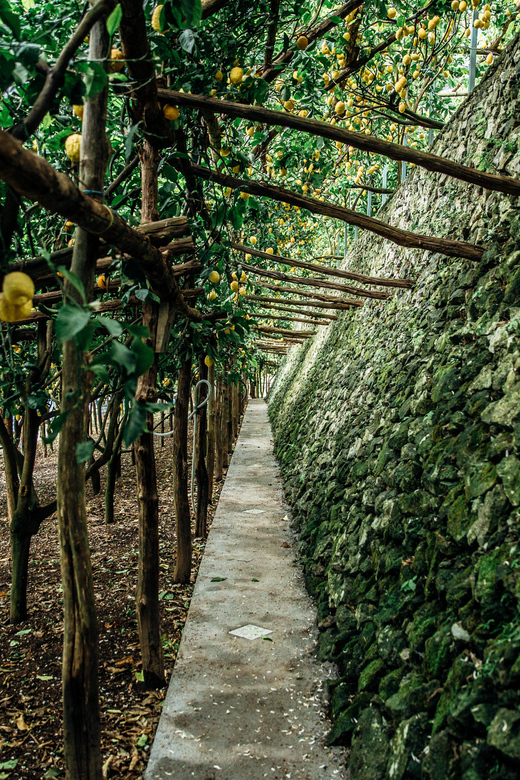
Amalfi’s lemon terraces are not simply a scenic backdrop. They show how people have worked steep coastal land where a conventional flat orchard would not fit. Stone terraces cut into the hillside create growing space, but they also make each task more demanding: tending trees and moving harvests means working with the slope.
Your guide leads you through part of this vertical grove, stopping to explain how Sfusato Amalfitano lemons are cultivated and why they matter to the area. The fruit has European Protected Geographical Indication status, a recognition tied to its regional origin. The tour also addresses lemon farming’s present-day challenges, a useful counterweight to the postcard view of golden fruit under green leaves.
The route covers the lower part of the farm, according to the tour’s description and visitor accounts. You may wish to see more of the terraces, but this is not a long mountain hike or a full day in the countryside. Think of it as a short, guided walk with a real uphill element, not a strenuous trek across the entire farm.
That distinction helps you decide if the outing fits your day. It offers a glimpse of farm life and the physical setting behind Amalfi’s famous lemons. If you want a long walk with extensive trail time, this may feel brief. If you want a manageable introduction to the groves, the 90-minute format is a practical fit.
A family story grounded in farm work

The farm is run by a family that has grown lemons in Amalfi for six generations. That long connection gives the guide a local frame for explaining the land, the crop, and the work involved. You are not just hearing how lemons are used in a drink; you are learning about a livelihood shaped by a steep and distinctive place.
The tour also puts farming in current terms. Lemon growers face challenges in the modern market, and the guide explains some of the pressures facing farms on the Amalfi Coast. That frankness is valuable. It helps you understand why a bottle of limoncello or a jar of lemon honey is not only a holiday purchase, but a product that depends on continued work in the groves.
The family’s care for the farm is part of the visit’s appeal, but it is not necessary to treat the outing as a staged meeting with a particular family member. The tour is led by an English-speaking guide, and guides have included Elvira and Georgia. You can ask questions along the way, and the family history gives those questions a natural starting point.
More limoncello and lemon tours in Amalfi:
- Sorrento Farm and Food Experience including Olive Oil, Limoncello, Wine tasting
★ 5.0 · 2,524 reviews - Sorrento: Coast and Capri Boat Trip with Limoncello Tasting
★ 4.4 · 2,037 reviews - Sorrento: Pizza Lesson, Wine, and Limoncello at a Local Farm
★ 5.0 · 1,513 reviews
From lemon tree to limoncello laboratory
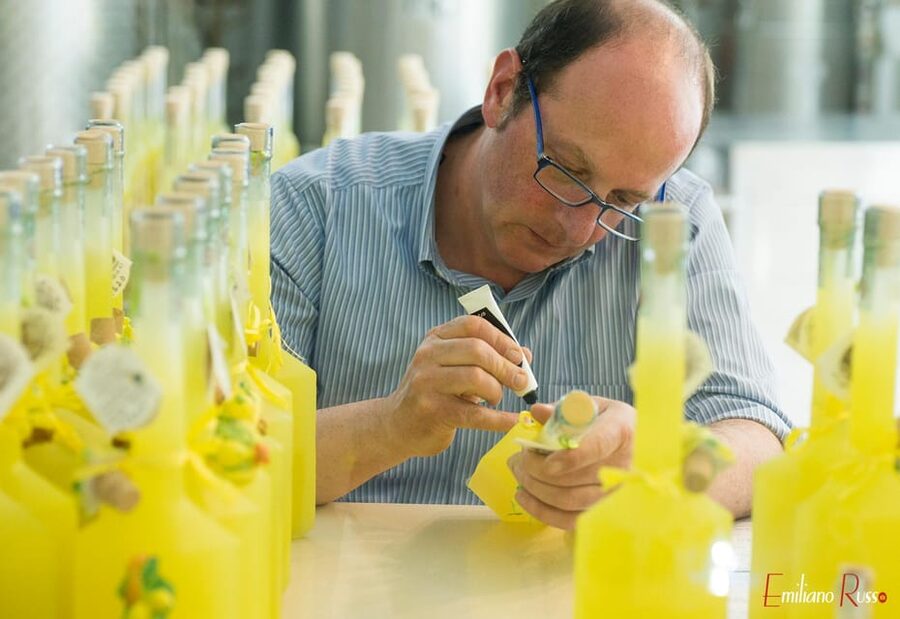
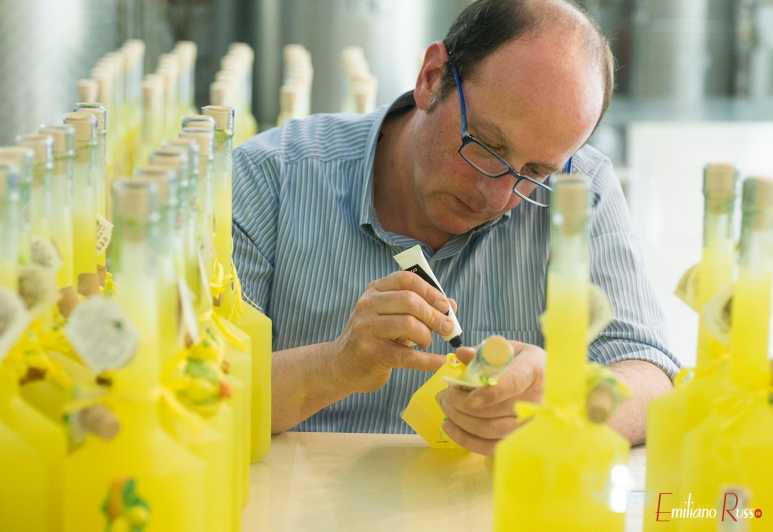
At the on-site laboratory, the focus shifts from cultivation to what happens after harvest. You learn about making limoncello, along with products such as lemon jam and honey. This makes the visit useful if you have seen bottles of limoncello in shops but want a clearer idea of the craft and local production behind them.
The factory portion is a visit, not a full hands-on workshop. The supplied details do not promise that you will make a batch yourself, so book it for the explanation and tasting rather than a practical class. There are different types of limoncello available to buy afterward, along with other farm products and fresh lemons. Shipping is offered for products, which can be handy if you do not want to carry fragile bottles around the coast.
The emphasis on the production process also makes the tasting more meaningful. You have seen where the lemons grow and heard about the labor involved; now you can sample what the farm makes from them. That connection is the tour’s strongest thread, linking the orchard, laboratory, and table rather than treating them as separate stops.
Lemon cake, lemonade, and a taste of the harvest
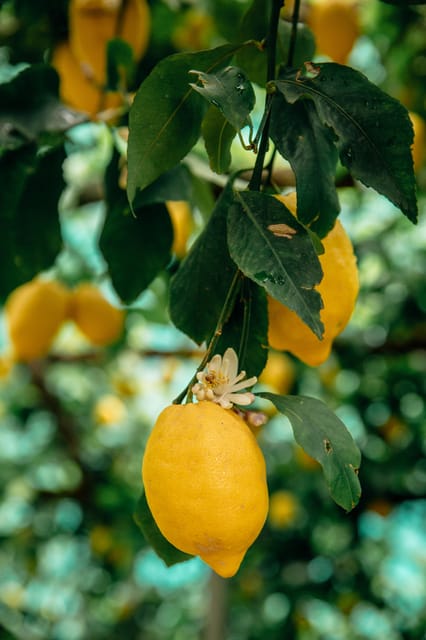
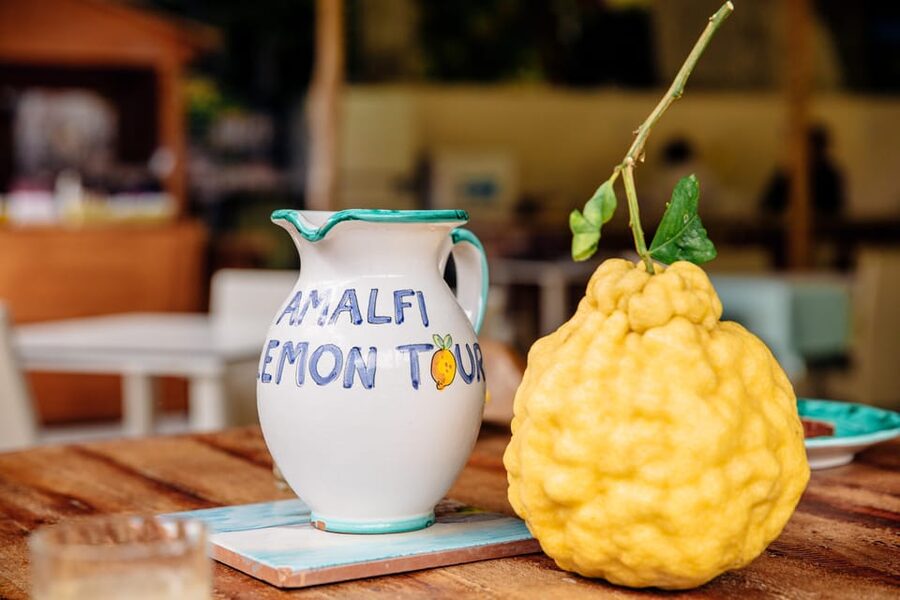
The tasting includes lemon, lemon cake, lemonade, and limoncello. Other products, including sorbet, may be offered, but the core tasting described for the tour is those four items. The cake and limoncello receive especially warm praise, and visitors often want more, so take your time rather than assuming this is a full meal.
The fresh lemon tasting is a particularly good reason to visit. A lemon straight from the farm gives you a more direct sense of the fruit than a bottle or dessert can. The lemonade offers a simple, refreshing contrast, while cake and limoncello show how the crop finds its way into local treats and drinks.
This is a tasting, not a lunch stop. If you are hungry, plan a meal separately. Still, the samples add real value to a short tour: you are not only looking at trees and listening to explanations, but tasting products tied to the farm you have just walked through.
The rural museum’s tools and records
The Museum of Rural Culture, Arts and Crafts adds another layer to the visit. It displays tools, equipment, and documents connected with lemon production, giving you a view of the work beyond the trees themselves. The museum is small in scope, based on its focus, but it helps connect family tradition to the practical methods used to farm and process lemons.
For visitors with limited time in Amalfi, this mix of outdoor and indoor stops is useful. You get the hillside setting, an account of the farming history, a look at tools and records, and a tasting, all within about 90 minutes. The museum is not a substitute for a large regional museum, but it makes the farm visit more complete.
More farm visits in Amalfi:
- Hands-On Cooking Class & Farmhouse Tour on the Amalfi Coast
★ 5.0 · 956 reviews - Amalfi: Cooking Class and Farmhouse Visit With Meal
★ 5.0 · 262 reviews - Pizza School with Wine and Limoncello Tasting in a Local Farm
★ 5.0 · 845 reviews - Authentic Farm Tour with Pizza, Cheese, Wine & Limoncello Tasting
★ 5.0 · 698 reviews
Reaching Via delle Cartiere, 59
Check in at the Amalfi Lemon Experience shop at Via delle Cartiere, 59. Be careful with Google Maps: use its walking directions, not driving directions, because the driving route points to a different location. The town center is not a place to rely on a car or scooter, and the farm has no parking.
Amalfi’s parking is very limited, particularly in high season, so arriving by car can turn a pleasant short activity into a parking hunt. If you are already in town, the walking approach is the sensible plan. From the port, the shop is about an 18-minute walk, according to one route taken by a visitor arriving from Positano by ferry. Allow extra time to find the shop and check in.
There is no transportation included. You make your own way to and from the meeting point, and the tour returns there at the end. The route is on foot, with steep sections and stairs. Wear comfortable shoes with reliable grip; high heels or slippery soles are not allowed for safety.
Is $41 a fair price for 90 minutes?
At $41 per person, this is a good-value short outing if you want more than a scenic walk. The price includes the vertical grove visit, a guide, the rural museum, the limoncello factory, and samples of lemon, cake, lemonade, and limoncello. Those elements make it a compact cultural activity rather than just access to an orchard.
The value depends on what you want. If your main goal is to spend hours hiking through the hills, you may want a longer excursion. If you value local context and a taste of the farm’s products, the combination of guided explanation, working terraces, museum, and tasting earns its place in a busy Amalfi itinerary.
There is also a direct way to support a local business: you can buy farm products after the tour. Purchases are optional, and the tour is worthwhile without them. If you do want limoncello or other goods, the chance to buy from the producers gives the purchase a clearer connection to the place.
Who will enjoy this visit most
This tour suits curious food-minded visitors, families with older children who can manage stairs, and anyone wanting a break from Amalfi’s main streets. It is especially appealing if you are interested in how local food is produced, rather than only sampling it in a café. The guide’s explanations of farm history and modern challenges give the visit substance beyond photographs.
It is not suitable for everyone. The provider says the tour is not suitable for wheelchair users, children under two, people with heart problems or respiratory issues, or people over 80. Mobility scooters and electric wheelchairs are not allowed. The path can be steep, so consider your comfort with stairs before booking.
The farm has dogs that roam freely, and other pets are not allowed. Large bags and luggage are also prohibited, along with touching plants or feeding animals. These rules help protect the working farm and keep the walk manageable, but they do mean you should arrive with only what you need.
Should you book the Amalfi lemon farm tour?
Book it if you want a compact, local experience that connects Amalfi’s lemons to the people and work behind them. The most rewarding parts are the steep terraces, the six-generation family story, and the tasting of products made from the crop. The rural museum and laboratory round out the visit without requiring a full day.
Skip it if steep stairs are a problem, if you need wheelchair access, or if you are expecting a long hike or a hands-on limoncello-making class. Otherwise, it is a practical way to add farming, food, and a quieter hillside setting to your time in Amalfi. Wear proper shoes, follow walking directions to the shop, and leave room in your schedule for a separate meal.
FAQ
How long is the Amalfi lemon farm tour?
The tour lasts about 1.5 hours, or 90 minutes, and returns to the starting point at Via delle Cartiere, 59.
What is included in the price?
The visit includes a guided walk through a vertical lemon grove, a visit to the rural culture museum, a limoncello factory visit, and tastings of lemons, lemon cake, lemonade, and limoncello.
What language is the tour in?
The live tour guide speaks English. Guides have included Elvira and Georgia, though the guide for a particular departure is not guaranteed.
Where is the meeting point?
Check in with staff at the Amalfi Lemon Experience shop at Via delle Cartiere, 59. Use walking directions in Google Maps because the driving directions lead to a different location.
Is there parking at the farm?
No. The activity does not include parking, and the venue has no parking area. Parking in Amalfi is limited, especially during high season.
Is the walk steep?
Yes. The tour includes walking sections with particularly steep stairs. Wear comfortable shoes with good grip; unsuitable footwear, including high heels or slippery soles, is not allowed.
Is the tour wheelchair accessible?
No. Wheelchair users, people using mobility scooters, and people using electric wheelchairs are listed as not suitable for this activity.
Can I bring my dog?
No. The farm has dogs that roam freely, so other pets are not allowed on the property.
Can I buy lemons or farm products after the tour?
Yes. Fresh lemons and farm products are available to buy, and products can be shipped for you.
Can I cancel for a refund?
Yes. You can cancel up to 24 hours in advance for a full refund. You can also reserve now and pay later.
More museum visits in Amalfi
- Paestum: 2-Hour Greek Temples & Archaeological Museum
★ 4.8 · 19 reviews - Paestum: Temples and Museum Tour with Archaeologist Guide
★ 5.0 · 14 reviews
New this season around Amalfi
- Vespa Tour of Amalfi Coast Positano and Ravello★ 5.0 · 85 reviews
- Small Group Amalfi Coast Boat Day Tour from Amalfi★ 5.0 · 131 reviews
- Amalfi: Amalfi Coast and Positano Sunset Cruise with Drinks★ 4.6 · 137 reviews
- Amalfi Coast Kayak & Snorkeling Tour to the Pandora’s Cave★ 5.0 · 141 reviews
- Amalfi Coast : Kayak-Snorkeling tour Pandora Cave & Hidden beach★ 5.0 · 154 reviews
- Discover the Magic of the Amalfi and Sorrento Coast by Vespa★ 5.0 · 190 reviews
- From Amalfi: Capri Island Boat Tour with Snorkeling & Drinks★ 4.9 · 194 reviews
- Amalfi Coast Kayak Tour: Explore Caves, Arches & Hidden Beaches★ 5.0 · 185 reviews
Limoncello Tastings, compared.
Sorrento Farm and Food Experience including Olive Oil, Limoncello, Wine tasting
Read our review →
Coast and Capri Boat Trip with Limoncello Tasting
Read our review →
Pizza Lesson, Wine, and Limoncello at a Local Farm
Read our review →
Small Group Capri Island Boat Ride with Swimming and Limoncello
Read our review →
Pizza School with Wine and Limoncello Tasting in a Local Farm
Read our review →
Walking Food Tour in Sorrento w/ Limoncello Factory Lemon Grove
Read our review →
Authentic Farm Tour with Pizza, Cheese, Wine & Limoncello Tasting
Read our review →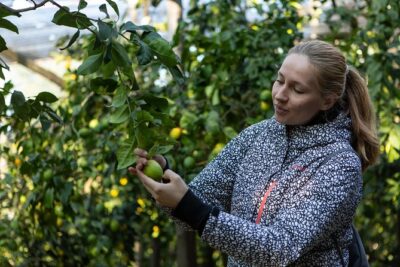
Sorrento Farm by Tuk Tuk: Cheese, Limoncello & Hands-On Pizza
Read our review →Browse the lists this tour appears in