
Reviewed · POMPEII TICKETS
Pompeii: Entry Ticket with Optional Audio Guide
Pompeii is not a tidy set of ruins behind glass. You walk its old streets, past homes, baths, shops, and temples, with Mount Vesuvius in view. This reserved-entry ticket lets you explore at your own pace, with an optional audio guide for context.
I like two things especially: you can choose the ticket that fits your day, from the ancient city alone to a version that includes suburban villas, and you are free to set your own pace rather than follow a group. The audio guide can help you make sense of a place so large that it is easy to wander without a plan.
The main drawback is the scale. Pompeii can take most of a day, and the audio guide may be awkward to use or hard to match to the buildings in front of you. Bring comfortable shoes, check your route, and do not expect every building to be open.
- Choose your Pompeii: Pompei Express covers the ancient city; Pompei+ adds suburban villas.
- See the Villa of the Mysteries: The frescoed villa is included with Pompei+, not the Express ticket.
- Explore at your own speed: The ticket is valid for one day, with no guided group schedule.
- Use audio for context: An optional official guide explains the site, but headphones are not included.
- Plan for a long walk: The site is large, and sturdy, comfortable shoes and water are useful.
- Check the villa closing time: Pompei+ last entry is 3:30 p.m. in winter and 5:30 p.m. in summer.
Walking into a city stopped by Vesuvius

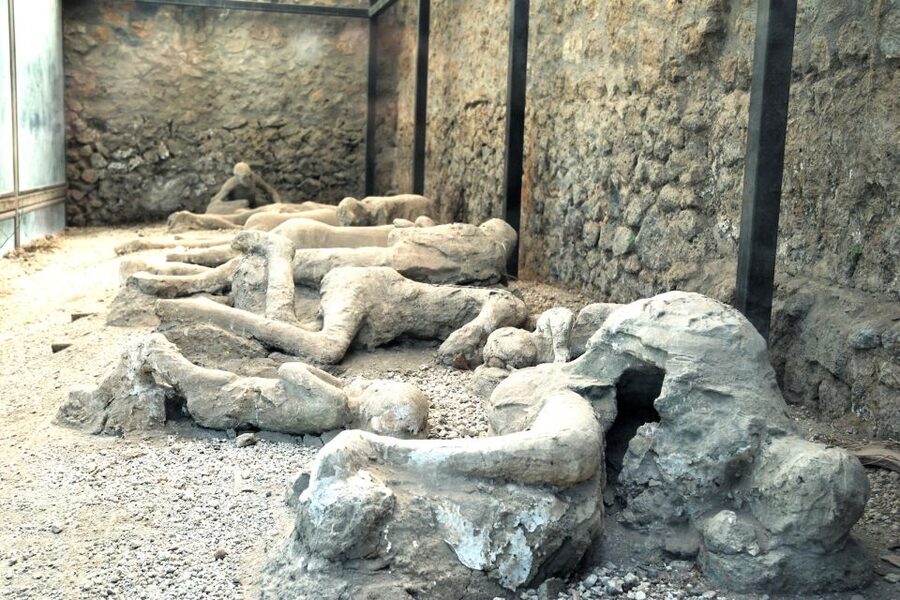
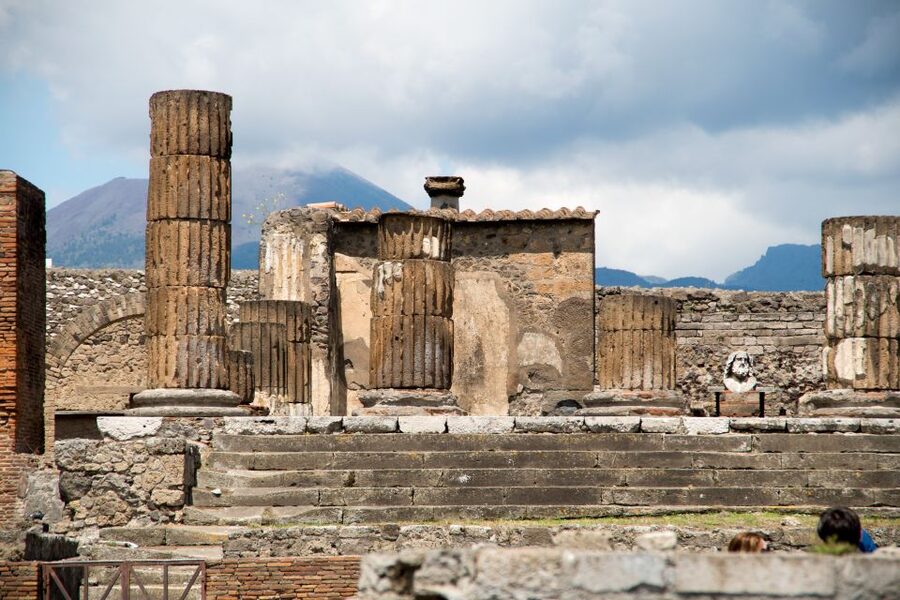
Pompeii’s power lies in its ordinary details. The streets, homes, public baths, shops, theaters, and temples give you more than a view of ancient stonework. They let you imagine a working Roman town, where people went to market, met friends, worshipped, and watched performances.
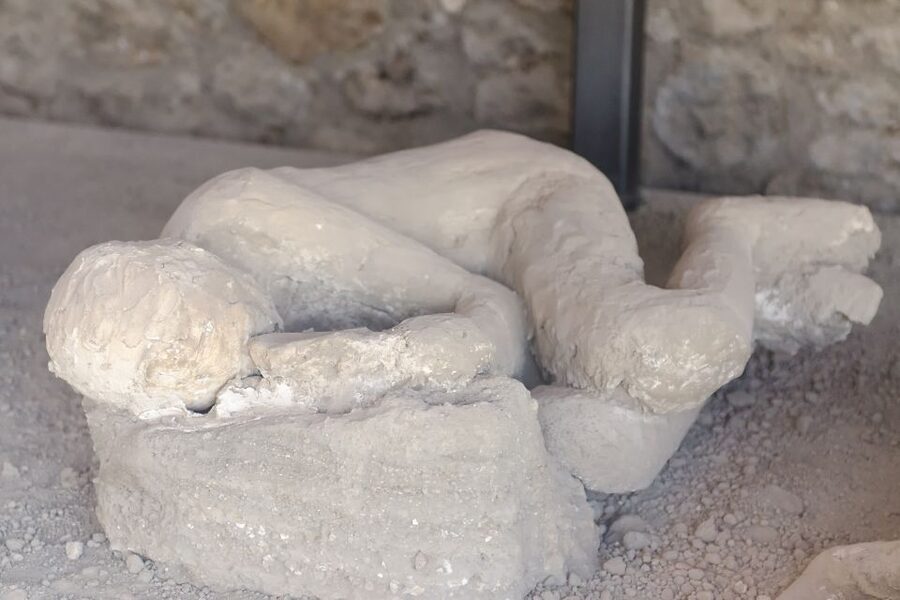
The eruption of Vesuvius on August 24, AD 79 buried the city beneath ash and caught its residents by surprise. As you walk the preserved streets, that catastrophe is never far from mind, but Pompeii is not only a place of tragedy. It is also a record of daily life, with buildings and decorations that make the town feel startlingly close.
You enter with a reserved ticket and explore on your own. That freedom is valuable here: you can spend longer in a house that catches your interest, pause to take in the view of Vesuvius, or move on when a crowded building does not appeal. The trade-off is that you need to make a little plan. Without one, Pompeii’s size can turn a rewarding visit into a long walk past places you meant to see.
Picking between Pompei Express and Pompei+
The Pompei Express ticket gives you access to the ancient city. For many people, that is enough: Pompeii’s main streets and major buildings offer a full, absorbing visit. If your time is short, or you would rather concentrate on the central ruins than cover more ground, this is the sensible choice.
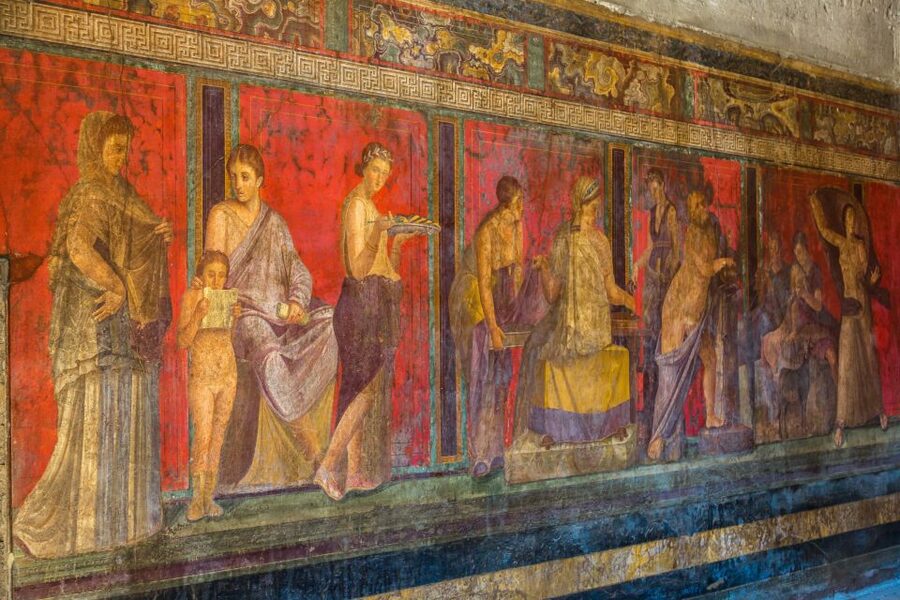
Pompei+ includes the ancient city and suburban villas: the Villa of the Mysteries, Villa of Diomedes, and Villa Regina in Boscoreale with its Antiquarium. The extra sites make the ticket more appealing if you have the time and want to see beyond the main urban area. The Villa of the Mysteries is a particular reason to consider the upgrade, with frescoes that give the ancient rooms a visual presence that bare walls cannot.
Do not choose Pompei+ simply because it sounds like the better deal. These extra stops mean more ground to cover, and the final entry time is earlier than the site’s general day-long validity might suggest: 3:30 p.m. from November 1 through March 31, and 5:30 p.m. from April 1 through October 31. Check the season and your arrival time before paying for access you may not have time to use.
More Pompeii tickets in Pompeii:
- Pompeii: Entry Ticket and Guided Tour with an Archaeologist
★ 4.8 · 19,459 reviews - Pompeii: Skip-the-Line Entrance Ticket with Audio Guide
★ 4.0 · 2,509 reviews - Pompeii: Skip-the-line-Ticket and Guided Tour
★ 4.6 · 1,152 reviews
Following the streets, baths, and market
Once inside, let the streets guide you through the city’s different sides. You can picture where Romans bought lunch in the market, then move from public space to private homes and civic buildings. That change of scale is part of the pleasure: a temple or theater tells one story about the town, while a home gives you a glimpse of how people shaped their own rooms.
The public baths are worth taking time over. Their mosaics and intricate decoration show that these were not merely practical facilities. Look closely at the surfaces and layout rather than treating the baths as another set of old walls. The site’s appeal comes from such details, and they are easy to miss if you hurry from one famous name to the next.
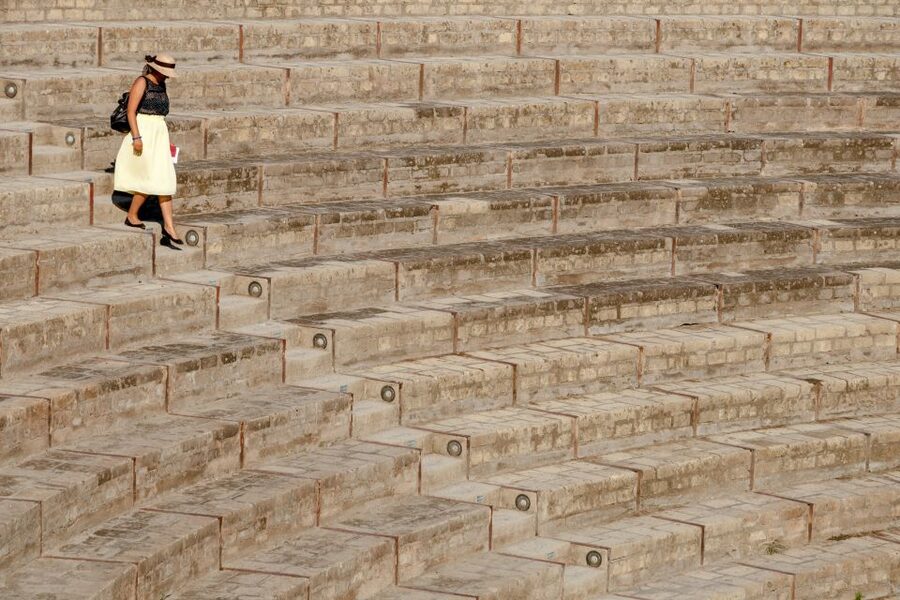
The House of the Faun offers a sense of the scale and ambition of a wealthy Roman residence. The temples of Venus, Apollo, and Jupiter bring you back into public and religious life. The amphitheater, meanwhile, gives you a place to pause and imagine a crowd gathered for a performance. You do not need to know every date or architectural term to enjoy these spaces, but a little explanation can turn a walk into a more vivid visit.
Adding the Villa of the Mysteries
The Villa of the Mysteries is a highlight for visitors who choose Pompei+. Its frescoes are the draw: they preserve color and imagery that help you picture how decorated Roman interiors could be. The villa is outside the ancient city’s central area, so reaching it adds distance and time. That is part of the decision between the two tickets, not a small extra to squeeze in at the end.
The Villa of Diomedes and Villa Regina in Boscoreale with Antiquarium also extend the visit beyond the city streets. They suit you if you are curious about the wider setting around Pompeii and have enough time to make the added stops worthwhile. If your day is already tight, focus on the main site rather than trying to race through every included place.
Buildings can sometimes be closed, so do not build your entire day around seeing every interior. An audio guide may still describe a room you cannot enter, which can be frustrating. Keep a flexible route and treat the open spaces, streets, and exteriors as part of the visit rather than as mere connections between famous buildings.
Making the audio guide work for you

The optional official audio guide can add the context that a self-guided visit lacks. It can also serve as a map and help you orient yourself in a site where it is easy to lose track of where you are. If you like learning as you walk, it is worth considering, particularly if Pompeii is new to you.
The guide is not a live tour. You will not have a person adjusting the explanation to your questions or pointing out exactly where to stand inside a house. Some audio stops can be hard to match to the building in front of you, and the device may not always locate you as expected. Use the guide as a tool, not a promise that every stop will line up neatly.
The physical device must be collected and returned at the park’s official audio-guide desk at Porta Marina Superiore, near the ticket office. A valid ID is required as a deposit, and you need to bring your own headphones. Bluetooth headphones do not work with the device. A digital audio guide is also listed, with English, German, French, Italian, and Spanish availability; the optional audio-guide language list also includes Chinese, Japanese, Portuguese, and Russian. Check the details of the option you book so you know which version and languages apply.
More tickets and passes in Pompeii:
- Pompeii: Archaeological Park Tour with Ticket on request
★ 4.5 · 2,283 reviews - Pompeii: Skip-the-Line Entry Ticket with Digital Guide App
★ 4.1 · 770 reviews - Pompeii Ticket + Tour with Optional Tasting Experience at Pompeii
★ 5.0 · 663 reviews - Pompeii: Exclusive Tour with Archaeologist and Entry Tickets
★ 4.9 · 634 reviews
Getting oriented before the site gets the better of you

Pompeii is large enough that a map matters. Mark off places as you visit them, and decide in advance whether the villas are part of your plan. This simple habit helps you avoid doubling back and gives you a better sense of how much ground remains.
Arriving early is useful if you want cooler weather and fewer people around you. The site involves plenty of walking, and the terrain can make a full day tiring. Wear comfortable shoes and bring water. There are toilets around the grounds, but a map helps you keep track of facilities and where you have already been.
Finding the right entrance or collection point can be confusing, especially if signs and queues make the options unclear. Read the instructions attached to your booking and check where your particular ticket needs to be shown. The audio guide collection point is at Porta Marina Superiore, but the meeting point can vary by booked option. Do not assume the first queue you see is yours; some visitors have found that another entrance or desk was the right one for voucher holders.
Free luggage storage is available, which can help if you arrive carrying bags. The activity is wheelchair accessible, although the site is extensive, so plan the visit around your own needs and pace. EU citizens under 18, disabled citizens, and their relatives are listed as eligible for free entrance fees; check the applicable rules before buying a ticket.
Is $26 a fair price?
At $26 per person, this is a practical way to secure entry to one of Italy’s best-known archaeological sites without committing to a guided group. The value is strongest if you want to explore independently and would rather have your ticket arranged ahead of time. On busy days, reserving in advance can spare you from joining the line for people buying tickets at the entrance.
The price does not include a live guide, headphones, or suburban villas with the Express option. It is worth comparing what you actually want: the city-only ticket keeps the visit focused, while Pompei+ adds meaningful sites if you have enough time. The optional audio guide can fill some of the interpretation gap, but it is not a substitute for a guide who can answer questions or shape the route.
A full day is possible, and some visitors spend most of one exploring. You can also see a lot in a shorter visit if you choose a few priorities and keep moving. The ticket’s flexibility is the real value: it gives you room to make Pompeii your own, provided you arrive with a rough plan.
Who should book this ticket?
This ticket suits independent visitors who want to walk at their own pace and do not need a guide leading them from stop to stop. It is also a good fit if you have a clear idea of whether you want the ancient city only or the extra villas. Families can use the freedom to pause as needed, though the walking and size of the site call for realistic expectations.
Choose the audio guide if you want help understanding the buildings and are comfortable navigating a device. Choose a live guide separately if you know you would find it hard to make your own route or want a person to explain what you are seeing. The entry ticket itself does not include a guided tour.
I would book in advance if Pompeii is a priority on your trip, then arrive early with shoes you trust, water, and a simple route in mind. Choose Pompei+ only if you can arrive in time for the villa access and are willing to cover the extra ground. If you want a flexible, self-guided day in an extraordinary ancient city, this ticket is a strong fit. If you prefer a tightly planned explanation and help finding every key building, pair entry with a live guide instead.
FAQ
What does the Pompei Express ticket include?
It includes entry to the ancient city of Pompeii. It does not include the suburban villas, including the Villa of the Mysteries.
What extra sites are included with Pompei+?
Pompei+ includes the ancient city and the Villa of the Mysteries, Villa of Diomedes, and Villa Regina in Boscoreale with its Antiquarium.
What is the last entry time for Pompei+?
The last entry time is 3:30 p.m. from November 1 through March 31, and 5:30 p.m. from April 1 through October 31.
Is a live guided tour included?
No. A guided tour is not included. The optional audio guide is a separate self-guided aid.
Where do I collect the physical audio guide?
Collect and return it at the official audio-guide desk inside the archaeological site at Porta Marina Superiore, near the ticket office.
Do I need to bring headphones?
Yes, headphones are not included. Bluetooth headphones do not work with the physical audio-guide device.
Do I need identification to rent the audio-guide device?
Yes. A valid ID is required as a deposit when you rent the device.
Is the site wheelchair accessible?
Yes, the activity is listed as wheelchair accessible. The site is large, so allow time to explore at a comfortable pace.
Who is eligible for free entrance fees?
The provided information lists EU citizens under 18, disabled citizens, and their relatives as eligible for free entrance fees.
New this season around Pompeii
- Scooter rental on the Amalfi Coast★ 5.0 · 90 reviews
- Pompeii: Archeological Tour & Wine Tasting at Mt. Vesuvius★ 4.6 · 142 reviews
- Pompeii: Skip-the-Line Guided Tour★ 4.6 · 139 reviews
- Ancient Pompei in the afternoon★ 5.0 · 140 reviews
- Pompeii: 2-Hour Guided Tour with an Archaeologist★ 4.9 · 151 reviews
- Pompei: Pompeii Private Tour★ 4.8 · 146 reviews
- Horseback Riding on Vesuvius★ 5.0 · 144 reviews
- Pompeii Skip-the-Line Entry Small Group Guided Tour★ 5.0 · 151 reviews
Pompeii Tickets, compared.

Pompeii: Entry Ticket and Guided Tour with an Archaeologist
Read our review →
Pompeii: Skip-the-Line Entrance Ticket with Audio Guide
Read our review →
Pompeii: Skip-the-Line Entry Ticket with Digital Guide App
Read our review →
Pompeii Ticket + Tour with Optional Tasting Experience at Pompeii
Read our review →
Pompeii Skip-the-line Tour with Archaeologist Guide
Read our review →
Pompeii: Skip-the-Line Tickets and Tour with Archaeologist
Read our review →
Pompeii: Skip-the-Line Guided Tour with Expert Archaeologist
Read our review →
Pompeii: Skip the line ticket (art) + audioguide + map
Read our review →Browse the lists this tour appears in